{{ variable.name }}
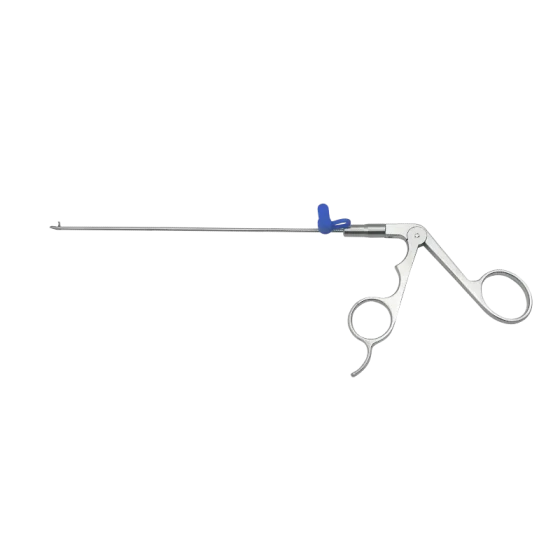
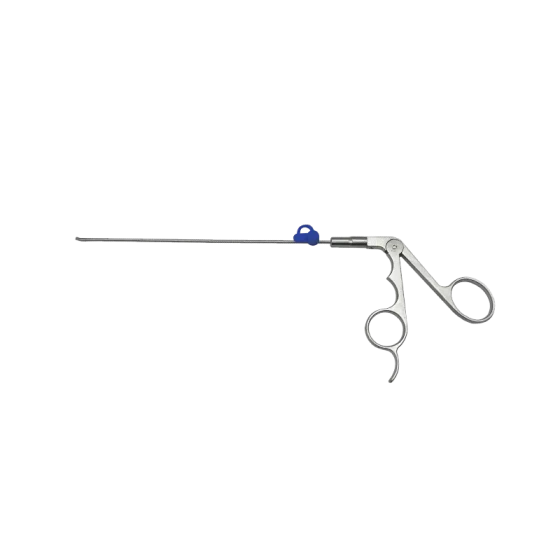
Structural features and functional advantagesPrecise adjustment abilityThe sagittal plane fusion device regulator features a unique design that can precisely adjust the direction and position of the fusion device in the sagittal plane. It can also adopt finely adjustable mechanical structures, such as fine thread adjustment devices or multi-joint flexible connection components, enabling doctors to adjust the fusion device within a precision range of millimeters or even smaller. In spinal fusion surgery, the accurate placement of the fusion device is of vital importance. Even a slight deviation may affect the surgical outcome. Regulators can effectively correct these deviations, ensuring that the fusion device closely adheres to the adjacent vertebral endplates and creating a favorable mechanical environment and biological conditions for subsequent bone fusion.Adaptability and compatibilityWhen designing, the company took into account the adaptability to various sagittal plane fusion devices, which can be used in conjunction with fusion devices of different brands, models and specifications. The connection part can adopt a standardized interface design or an adjustable fixing device to ensure a firm connection with the fuse without damaging the structure and surface coating of the fuse. This compatibility offers surgeons more options. When encountering different surgical conditions and using different implants, regulators can be utilized to optimize the implantation effect of the fusion device, thereby enhancing the success rate and universality of the surgery.Visualization and ease of operationThe design of the regulator fully takes into account the visualization requirements during surgery. For instance, the layout of its appearance and operating components has been optimized to avoid obstructing the surgical field of view, making it convenient for doctors to observe the adjustment process of the fusion device under an endoscope. Meanwhile, the design of the operation components is simple and easy to understand, making it easy for doctors to master and operate, thereby reducing the difficulty and time cost of surgical operations. Doctors can easily adjust the three-dimensional direction of the fusion device through intuitive operation handles or knobs, and feel the feedback of the adjustment in real time to ensure the accuracy and safety of the adjustment process.Application scenarios in spinal fusion surgeryCorrect the implantation deviation of the fusion deviceIn spinal fusion surgery, due to the complexity of the surgical operation and the differences in individual anatomical structures, the implantation position of the fusion device is sometimes not ideal. For instance, the fusion device may have slight rotation, tilt or anterior-posterior displacement within the sagittal plane. At this point, the sagittal plane fusion device regulator can come into play. Through precise adjustment, the fusion device can be restored to the correct position. This is of great significance for restoring the normal physiological curvature of the spine, ensuring stable contact between vertebral bodies, and promoting bone fusion. Especially in cervical and lumbar fusion surgeries, the range of motion in these areas is relatively large, and the positional accuracy of the fusion device is required to be higher. The regulator can effectively solve the problem of position deviation of the fusion device and improve the corrective effect of the surgery.Optimize the fit between the fusion device and the vertebraeEven if the initial implantation position of the fusion device is roughly correct, in order to achieve a better bone fusion effect, it may still be necessary to further optimize the fit between the fusion device and the adjacent vertebral endplates. The regulator fine-tune the Angle and position of the fusion device to make the contact between the fusion device and the vertebral endplate more uniform and tight, increase the friction and stability between the fusion device and the vertebral body, reduce the risk of postoperative displacement of the fusion device, and facilitate the attachment and growth of bone cells on the surface of the fusion device, promoting the process of bone fusion. In multi-segment spinal fusion surgery, the precise fit of each fusion device plays a significant role in improving the overall surgical outcome, and regulators can assist doctors in achieving this goal.Deal with complex anatomical structures and surgical challengesIn some special spinal cases, such as spinal deformities, severe degeneration, or anatomical changes caused by trauma, the implantation of fusion devices becomes more difficult and the possibility of positional shift is also greater. Sagittal plane fusion device regulators can serve as an effective auxiliary tool to assist doctors in dealing with these complex surgical situations. Within the limited surgical space, they can flexibly adjust the fusion device based on specific anatomical characteristics to ensure its accurate placement at the predetermined position, overcome the surgical challenges brought about by anatomical abnormalities, and enhance the safety and feasibility of the surgery.Operation precautions and skillsPrecautions for OperationBefore using the sagittal fusion regulator, it is necessary to fully understand and be familiar with its structure and function to ensure that each regulating component can operate correctly. During the operation, close attention should be paid to the position of the fuse under the endoscope and the surrounding tissues to avoid damaging important tissues such as nerves and blood vessels during the adjustment process. At the same time, it is necessary to pay attention to whether the connection between the regulator and the fusion device is firm to prevent loosening or detachment during the adjustment process, which may affect the surgical progress and patient safety.Due to the extremely high precision requirements in spinal surgery, when adjusting the position of the fusion device, the principle of gradual adjustment should be followed to avoid excessive adjustment at one time, which may lead to over-correction of the fusion device position or sudden compression or traction on the surrounding tissues. After each adjustment, the position and status of the fusion device should be reconfirmed through an endoscope to ensure the accuracy and safety of the adjustment.Operation skillsInitial connection technique: When it is found that the position of the fusion device needs to be adjusted, the Sagittarius fusion device regulator should be accurately connected to the fusion device first. According to the type of regulator and the structure of the fusion device, select the appropriate connection method, such as snap-on type, threaded type, etc., and ensure a firm connection. During the connection process, an endoscope can be used to assist in observing the connection points to avoid misoperation.Fine-tuning technique: When adjusting the position of the fusion device, based on the direction and degree of the fusion device's offset, operate the fine-tuning components of the regulator, such as rotating the knob or pushing the slider, to gradually adjust the fusion device in three-dimensional space. For instance, if the fusion device has a forward displacement deviation, the longitudinal adjustment device of the regulator can be used to gently push the fusion device backward to bring it back to the correct position. During the adjustment process, it is necessary to combine the real-time observation of the endoscope and the feedback of the touch to accurately control the adjustment amplitude and direction, so as to achieve the best adjustment effect.
{{ item.content }}
{{ item.created_at_format }}
{{ item.reply }}