Spinal Endoscope & Minimally Invasive Surgical Instruments Manufacturer | QuNaMai
Wishlist

{{ variable.name }}


Structural features and advantages
Advantage of size diversity
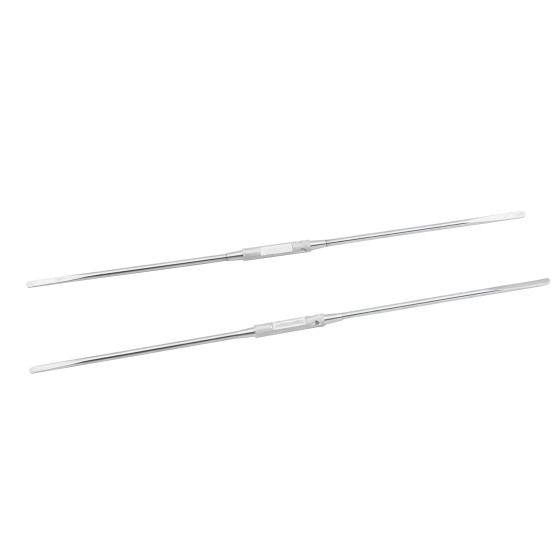
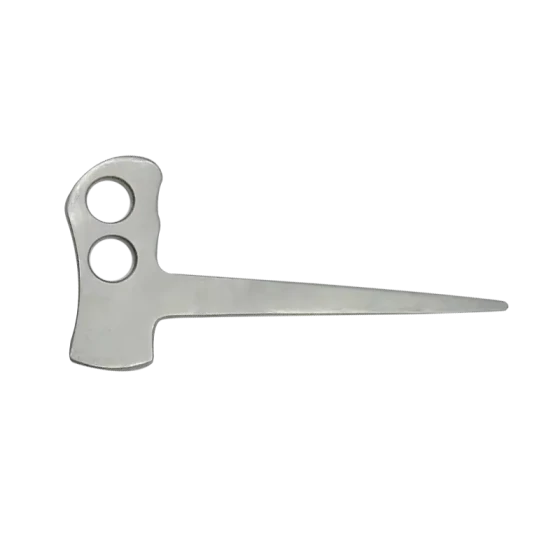
4MM retractor: The 4MM spinal retractor features exquisite characteristics and can function effectively in relatively narrow UBE surgical channels and intricate spinal anatomical structures. In cervical and thoracic spine surgeries, especially when dealing with narrow areas such as the intervertebral foramen and spinal canal or performing some delicate nerve decompression operations, a 4MM retractor can provide sufficient retraction space without causing excessive tissue compression. For instance, during cervical foramen decompression surgery, it can stretch the soft tissue, providing a better operating field of view for the nerve decompression surgical instruments while avoiding damage to the surrounding nerves and blood vessels.
10MM retractor: The 10MM retractor is more suitable for situations where a larger retractor space is required. When performing lumbar spine surgeries or dealing with large-scale spinal lesions, such as lumbar spinal decompression and lumbar fusion surgeries, a 10MM retractable device can effectively stretch muscles, ligaments and other tissues, fully exposing the surgical area and providing a broader field of vision. This makes it easier for doctors to operate with various surgical instruments, such as inserting fusion devices and treating intervertebral discs. holding
Advantages of opening functions
Both sizes of retractors can stably and effectively retract the tissues around the spine, maintaining a retracted state during the operation to keep the surgical field unobstructed and facilitate the doctor's operation. The correct use of the retractor can reduce the separation of tissues and provide a clear and stable operating environment for the surgery. For instance, in spinal trauma surgery, a retractor can stretch the soft tissues around the fracture, facilitating operations such as clearing and resetting fracture fragments.
The application scenarios of UBE surgery
The application of cervical spine surgery
Anterior cervical surgery: In anterior cervical discectomy and fusion, a 4MM retractor can stretch the soft tissues in front of the vertebrae, such as the muscles and fascia beside the esophagus and trachea, providing a channel for surgical instruments to enter the intervertebral space. At the same time, when dealing with edge osteophytes of the cervical vertebrae or implanting intervertebral fusion devices, it can keep the surgical field open, facilitating operation. When multiple cervical segments need to be treated simultaneously or more complex anterior surgeries are to be performed, such as in anterior subtotal cervical vertebrae resection, a 10MM retractor can fully retract the tissue, providing sufficient operating space for the surgery.
Posterior cervical spine surgery: In posterior cervical spinal canal decompression surgery, a 4MM retractor can be used to stretch the soft tissues around the lamina, which helps to expose the posterior wall of the spinal canal, facilitating the resection of the lamina and the treatment of the ligamentum flavum, and protecting the spinal cord and nerve roots. When extensive posterior cervical decompression or posterior fusion surgery is required, such as in multi-segment posterior cervical spinal canal decompression combined with lateral block screw fixation and fusion surgery, a 10MM retractor can be used to effectively stretch the muscles and ligaments, creating favorable conditions for the surgical operation. Lumbar vertebrae
Surgical application
Lumbar intervertebral disc surgery: In UBE surgery for lumbar intervertebral disc protrusion, a 10MM retractor can be used to stretch the lumbar muscles and fascia, exposing the intervertebral space. When performing surgeries such as nucleus pulposus removal and annulus fibrosus repair, keep the surgical area open to facilitate the operation of surgical instruments. The 4MM retractor can play a role in treating small lesions at the edge of the intervertebral disc or in performing fine decompression of nerve roots. For instance, during nerve root decompression under the field of intervertebral foramen endoscopy, the soft tissues around the intervertebral foramen are retracted to create space for nerve root decompression. Lumbar spinal canal
Decompression and fusion surgery: In the decompression surgery and lumbar fusion surgery for lumbar spinal stenosis, a 10MM retractor is an indispensable tool. It can stretch the muscles and ligaments around the spinal canal, fully exposing the spinal canal and intervertebral foramen, facilitating the removal of hyperplastic bone and thickened ligamentum flavum, as well as the implantation of the fusion device and other operations. The 4MM retractor can assist in retracting some delicate areas during the operation, such as the soft tissues around the nerve roots, ensuring the accuracy and safety of the surgery.
Application in Thoracic surgery
Thoracic intervertebral disc surgery: In the surgery for thoracic intervertebral disc protrusion, a 4MM retractor can be used to stretch the soft tissue between the thoracic vertebrae, providing space for the treatment of the intervertebral disc. The thoracic vertebrae are protected by the ribs and thorax, and the surgical space is relatively narrow. The fine size of the 4MM retractor can better adapt to this environment. When it is necessary to expose the thoracic intervertebral discs more extensively or perform thoracic fusion surgery, such as anterior thoracic fusion, a 10MM retractor is used to stretch the tissues within the thoracic cavity, creating conditions for the surgery.
Thoracic vertebra fracture surgery: During thoracic vertebra fracture surgery, the retractor can stretch the soft tissues around the fracture, facilitating the observation of the fracture and the operation of reduction and fixation. The 4MM retractor can be used to stretch the fine areas around the fracture fragment, such as the soft tissues near the spinal cord. The 10MM retractor can be used to stretch a larger range of muscles and ligaments, providing sufficient operating space for fracture surgery.
Operation precautions and skills
Precautions for Operation
Correct size selection: Based on the surgical site, type of surgery, the extent and fineness of the tissue to be retracted, correctly choose a 4MM or 10MM retractor. In delicate operation areas or narrow anatomical Spaces, such as the intervertebral foramen of the cervical vertebrae, a 4MM retractor is preferred. In surgeries that require a larger operating space, such as lumbar spinal decompression surgery, a 10MM retractor may be more suitable.
Avoid tissue damage: During the insertion and use of the retractor, be cautious and careful to prevent damage to important tissues such as nerves and blood vessels. Through endoscopic observation, carefully place the retractor in the appropriate position to ensure that the blades of the retractor do not press on or cut the tissue. Especially in the areas around the spine that are rich in nerves and blood vessels, such as within the spinal canal and near the intervertebral foramen, operations should be carried out with particular caution.
Maintain the stability of the retractor: During operation, the retractor should be kept in a stable state. If the retractor becomes loose or its position changes, it may cause the tissues in the surgical area to be pulled apart, affecting the surgical operation and even potentially damaging the tissues. Therefore, it is necessary to ensure that the fixing device of the retractor is firm and reliable.
Operation skills
Insertion technique: Based on the anatomical path observed by the endoscope and the tissue distribution at the surgical site, slowly insert the retractor at an appropriate Angle and direction. For a 4MM retractor, its precise dimensions should be utilized to carefully enter the surgical area along natural anatomical gaps or established working channels. For instance, during anterior cervical spine surgery, when inserting a 4MM retractor, it can first be inserted along the gap at the anterior edge of the vertebral body, and then the direction can be adjusted to retract the tissue. For a 10MM retractor, when inserting, it is important to note that its size is relatively large. Before insertion, some tissue separation may be necessary to avoid tissue damage caused by forced insertion.
Pulling technique: When pulling the tissue, gradually apply the pulling force according to the toughness of the tissue and the required pulling degree. For more resilient tissues such as ligaments, the pulling force can be appropriately increased, but it is necessary to observe the tissue's response to avoid excessive pulling and causing tissue tearing. At the same time, real-time endoscopic observation should be combined to adjust the position and direction of the traction device to achieve the best traction effect and provide a good field of vision and space for the surgical operation.
| Surgical instruments | |
| Material | Stainless steel |
| Cryogenic plasma | Autoclaving |

{{ item.content }}

{{ item.created_at_format }}
{{ item.reply }}
To find out more about our products and solutions, please fill out the form below and one of our experts will get back to you shortly.