Registration Notice for UBE Gross Body Demonstration and Explanation Activity
UBE A brief summary of the general demonstration and explanation activity
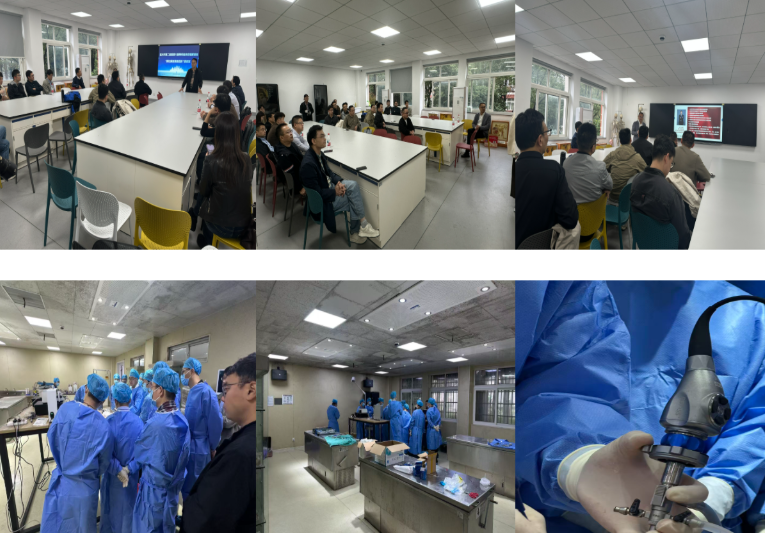
I. Core Information of the Activity
• Event Time:2025years11month8day
•
• Participants:20Famous clinical doctorQuNaMaiManufacturer's technical support team
• Theme of the eventUnilateral dual-channel endoscopic techniqueUBEGeneral demonstration and professional explanation
• Activity objectiveHelp participating doctors have an intuitive understandingUBEThe core operation process, key anatomical positioning and practical operation points of the technology, to consolidate its theoretical and practical foundation, and at the same time build a technical exchange bridge between doctors and manufacturers, laying a foundation for subsequent clinical application
•
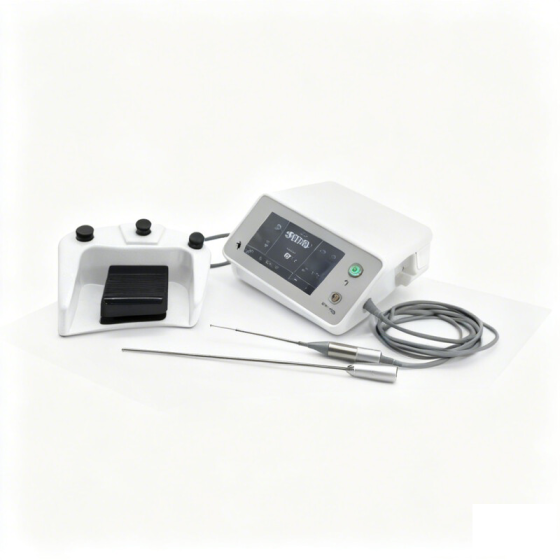
• Participating manufacturers:QuNaMai"Provided throughout the processUBESpecialized equipment support and technical explanation services
Ii. Key Contents of the Demonstration
1.
2. Explanation of technical fundamentals and core principlesFirst, let's introduceUBEThe definition of the technology refers to the technical advantages of minimally invasive spinal surgery achieved by establishing two channels (observation channel and operation channel) on one side, including clear vision, sufficient operation space, and minimal damage to surrounding tissues, etc. Based on clinical cases, illustrate the application scenarios and suitable conditions of this technology in spinal degenerative diseases (such as lumbar intervertebral disc protrusion, spinal stenosis), etc.QuNaMaiThe technical support team of the manufacturer elaborated in detail on the design concept, material advantages and their connection with the supporting equipmentUBEKey points of technical compatibility to help doctors establish""Technology"+"Equipment""Systematic cognition.
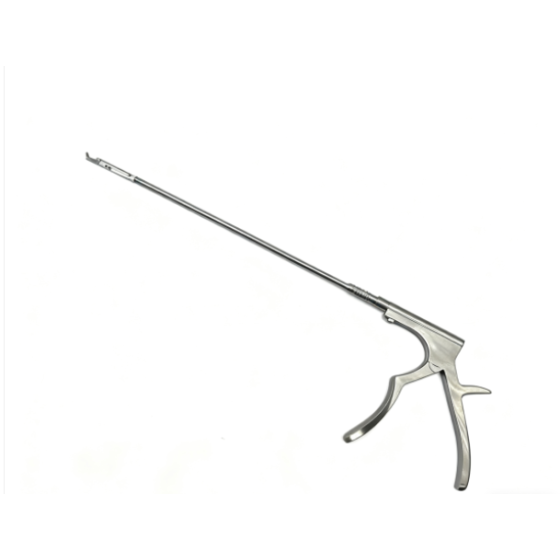
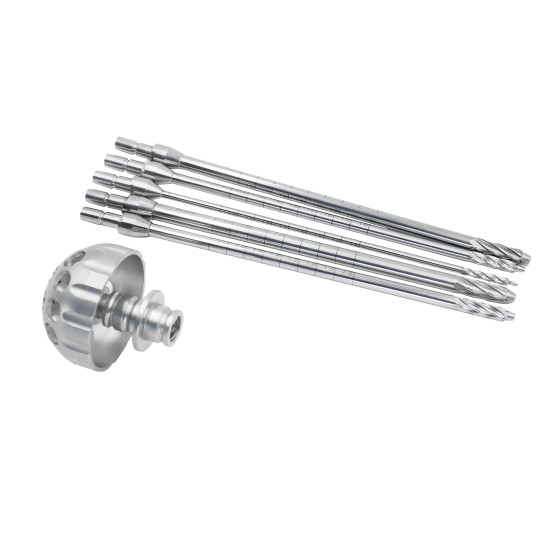
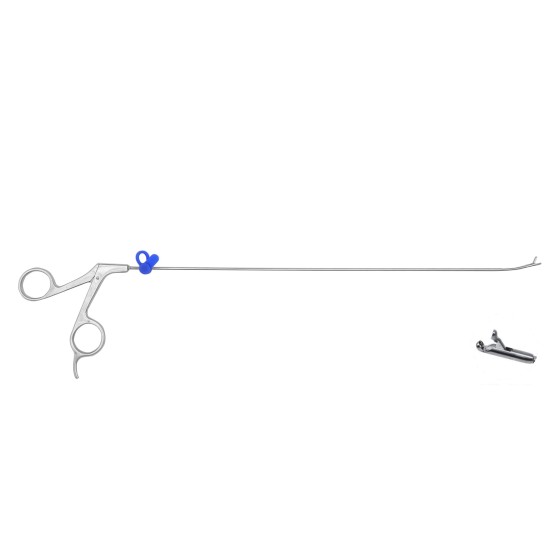
3. Practical demonstration of gross specimensBased on anatomical specimens, combinedQuNaMaiThe manufacturer's representative demonstrated step by stepUBEKey operation links①Channel establishment: Precisely locate the puncture point and explain different segments (such as the lumbar vertebrae)L4-L5、L5-S1The anatomical landmarks for puncture and the techniques for avoiding important structures such as blood vessels and nerves were simultaneously explained by the manufacturer's representative, who also highlighted the advantages of using the dedicated puncture instruments.②Endoscopic visual field regulation: Demonstrate methods for adjusting the lens Angle, clarity, and expanding the visual field range to help doctors quickly identify core anatomical structures such as the lamina, facet joints, and nerve roots.③Core operation demonstration: Demonstrate the operation techniques of key steps such as laminectomy, nucleus pulposus removal, and nerve decompression, and emphasize the usage norms of equipment (such as the grip and force application skills of drills and biting pliers).QuNaMaiThe representative of the manufacturer answered questions on the spot about the maintenance and operation details of the equipment.
4. Risk prevention and control and emergency responseFor common problems that may occur during the teaching demonstration (such as the channel deviating from the target position, blurred vision, bleeding, etc.), explain preventive measures and emergency solutions; By combining typical mistake cases, analyze the complications that may be caused by improper operation (such as nerve damage and rupture of the dural sac), and strengthen doctors' awareness of risk prevention.
5. Interactive Q&A and problem analysisIn response to the suggestions raised by the participating doctors“Channel establishment techniques under anatomical variations in different patients”“The control of decompression range in complex cases”“The selection of instruments is suitable for different surgical scenarios”Questions such as these will be answered by the lecturerQuNaMaiThe representatives of the manufacturer jointly analyzed the on-site demonstration operation. "Selection2-3A typical question will be explained in detail to ensure that the doctor understands it thoroughly.
Iii. Follow-up Suggestions
1. Data retention and sharingOrganize the content of this teaching demonstrationPPTCourseware, practical operation videos (close-ups of key operation links), anatomical positioning maps andQuNaMaiThe instrument instructions and operation guides provided by the manufacturer are shared with the participating doctors through the work group, facilitating their repeated study and consolidation after class. Summarize common questions and their answers into"UBEThe "Teaching and Q&A Manual" helps doctors consult it at any time.
2. Practical intensive trainingSuggestion1-2After the week, organize small-scale practical exercises in collaborationQuNaMaiThe manufacturer provides equipment support, simulation models or anatomical specimens, allowing doctors to form groups to repeatedly practice the establishment of channels, core operations and other links. Professional lecturers and manufacturer technicians are arranged to provide on-site guidance and correction to specifically enhance practical proficiency.
3. Case exchange and feedbackEstablish a long-term communication mechanism to encourage participating doctors to encounter each other in clinical workUBEProvide timely feedback on any related issues (including those related to the use of equipment). Organized monthly1Invitation to this online case seminarQuNaMaiRepresentatives from the manufacturers participated, and typical cases (including successful and difficult cases) were selected for collective analysis to promote the sharing of experience between medical institutions and enterprises.
4. Effect evaluation and optimization:1One month later, the participating doctors' feedback on this teaching activity will be collected through online questionnaires or offline interviewsQuNaMaiSatisfaction with device support and suggestions, with a focus on understanding their mastery of technical key points and clinical application needs; Based on the feedback results, optimize the subsequent teaching content and form, strengthen the cooperation and interaction between medical institutions and enterprises, and improve the quality of training.
SummaryThis timeUBEThe general demonstration and explanation activity was passed“Lecturer's instruction+Practical demonstration+Manufacturer support”This model effectively conveys the core technical points for20The participating doctors have built a systematic learning platform and at the same time deepened the technical exchanges between medical institutions and enterprises. Subsequently, multi-dimensional follow-up measures such as data sharing, practical operation reinforcement, and case exchange should be adopted to uniteQuNaMaiThe manufacturer continuously provides support, effectively transforming the teaching results into the clinical application capabilities of doctors, and offers assistanceUBEThe standardized promotion and application of technology.
ReporterQuNaMaiReport date:2025years11month8day