Minimally Invasive Surgery for Failed Radiofrequency Ablation in Lumbar Disc Herniation
QuNaMai Spinal Endoscopy Team
Minimally Invasive Surgery for
Failed Radiofrequency Ablation
in Lumbar Disc Herniation
Precision Diagnosis · Individualized Treatment · Excellent Outcomes
Case Presentation
Patient Complaint
The patient presented with low back pain radiating to the left buttock and posterior-lateral thigh, accompanied by tingling and burning sensation extending to the left heel after sneezing. Symptoms gradually worsened, resulting in difficulty walking.
Previous Treatment History
Diagnosed with lumbar disc herniation and underwent lumbar disc radiofrequency ablation. However, postoperatively, symptoms did not improve significantly, with persistent severe low back and left lower extremity pain severely affecting daily life and work.
Radiological Findings
Imaging studies revealed a large sequestered L5-S1 disc herniation. Combined with clinical manifestations and auxiliary examinations, L5-S1 was confirmed as the pathological level.
Preoperative MRI
Arrow indicates: Large L5-S1 sequestered herniation with significant nerve root compression
Pathology Schematic
Schematic diagram of large lumbar disc herniation compressing the dural sac
Treatment Process
Treatment Options
Limitations of Radiofrequency Ablation
- Suitable for mild contained herniations (<6mm)
- Ineffective for large sequestrations or free fragments
- Cannot directly remove herniated nucleus pulposus
Advantages of Endoscopic Discectomy
- Suitable for all types of disc herniations
- Direct visualization for precise nucleotomy
- Minimally invasive with fast recovery and reliable results
Precise Localization
Precise localization of the pathological level under image guidance to determine the optimal puncture path
Channel Establishment
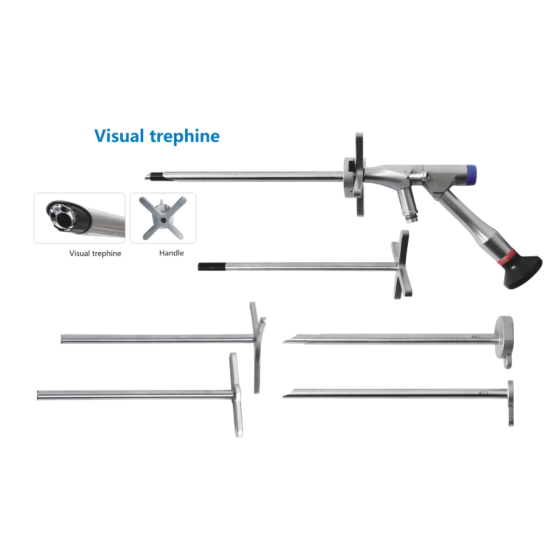
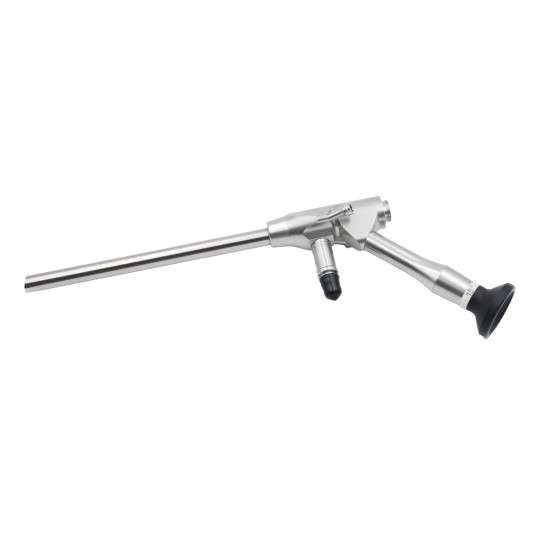
Creation of a minimal working channel and insertion of the endoscopic system
Nucleus Removal
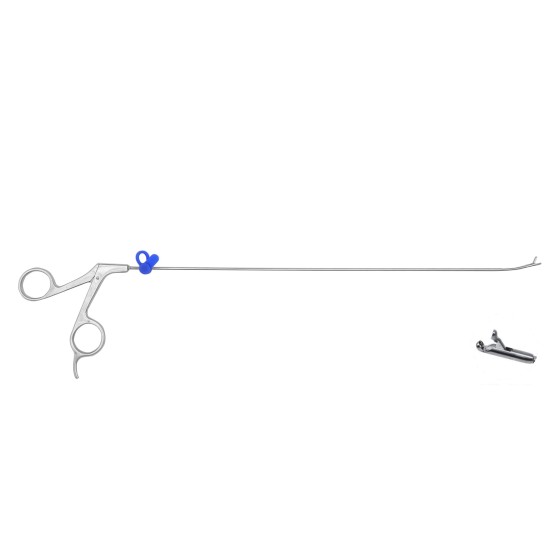
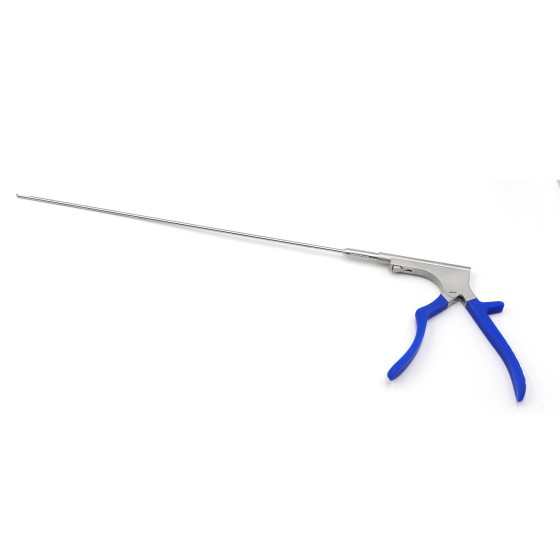
Direct visualization for adhesiolysis and precise removal of herniated nucleus pulposus
Endoscopic Discectomy Procedure
Simulation of endoscopic lumbar discectomy procedure
Technical diagram of endoscopic surgical approach
Treatment Outcomes
Preoperative vs Postoperative Comparison
Preoperative Status
- Severe low back pain
- Left lower extremity radicular pain
- Difficulty walking
- Restricted daily activities
Postoperative Status
- Significant pain relief
- Complete nerve decompression
- Restoration of walking function
- Improved quality of life
Discussion
Precision Diagnosis is Crucial
Detailed history taking, physical examination, and radiological assessment form the foundation for selecting the correct treatment approach. Radiofrequency ablation is not suitable for large sequestered disc herniations.
Principles of Individualized Treatment
Each treatment method has its indications and contraindications. The most appropriate treatment plan should be selected based on the patient's specific condition. Endoscopic discectomy shows significant advantages in managing complex disc herniations.
Technological Development Trends
The continuous development of minimally invasive surgical techniques provides more options for spinal surgery treatment. Endoscopic technology has become an important method for treating disc herniation due to its minimal invasiveness and fast recovery.
Lumbar Disc Herniation Treatment Algorithm
Expert Consultation Available
For professional surgical consultation and treatment planning
Case Summary
This case demonstrates that endoscopic discectomy is a safe and effective treatment option for patients with large sequestered lumbar disc herniation who have failed radiofrequency ablation. Through precise preoperative evaluation and individualized treatment planning, the patient achieved significant clinical improvement.
For lumbar disc herniation, choosing the right treatment is most important!